Discover the advantages of startup investing for European investors. Unlock potential returns and diversify your portfolio with insights from recent data.
Real estate has long been one of the most reliable wealth-building tools in Europe, yet for most people it has felt frustratingly out of reach. High entry costs, complex legal processes, and the need for local expertise have kept ordinary investors on the sidelines. That is changing fast. The European real estate crowdfunding market is projected to grow from €7B in 2021 to €90B by 2028, driven by regulated platforms that let you invest in property projects from as little as €50. This guide walks you through every step, from what you need to get started to what realistic returns look like. 🚀
Premium assets like commercial real estate, private equity, and high-growth startups were once the exclusive territory of institutional investors and ultra-high-net-worth individuals. That assumption is rapidly becoming outdated. Fractional ownership is reshaping how European investors build portfolios, making it possible to hold a stake in a Lisbon apartment block, a Berlin logistics facility, or a promising fintech startup with a fraction of the capital previously required. In this guide, you will learn precisely how fractional ownership works, which models are gaining traction across Europe, what genuine benefits and risks look like, and how to take your first practical steps. 🚀
Today, we’re going to talk about an investment tool that has removed key traditional limits from investing.
For decades, best investments were not accessible to everyday investors. If you wanted to invest in art, you needed serious capital and connections. If you wanted to build a real estate portfolio, you needed hundreds of thousands — sometimes millions. If you believed in a startup or a new technology, you had to be a venture capitalist or know one.
That world has changed.
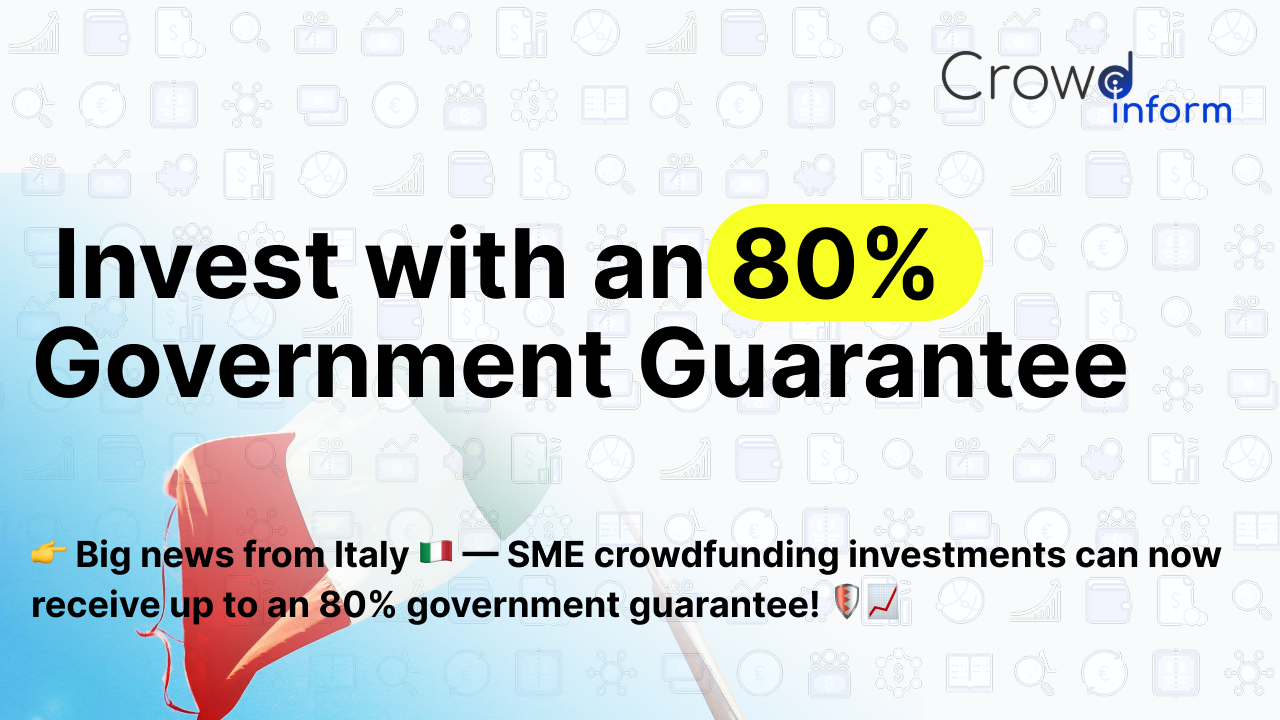
Italy has introduced a groundbreaking framework allowing SME crowdfunding investments to benefit from government guarantees of up to 80%. This innovation could significantly reduce risk for investors while improving financing conditions for small businesses. Could this be the future of SME funding in Europe?
The European P2P lending and crowdfunding market continues to show remarkable resilience and growth. In this update, we dive into the latest investor rewards, significant platform milestones, and new loan originator partnerships across the industry. 🚀
New Startup Investment Opportunities, Platform Updates and Market Growth Across Europe
The European equity crowdfunding market continues to expand rapidly, providing investors with access to innovative startups, high-growth SMEs, renewable energy projects, and deep-tech companies across the continent.
From AI and digital health startups to renewable energy infrastructure and real estate projects, crowdfunding platforms are offering a growing range of opportunities for investors looking to diversify beyond traditional asset classes
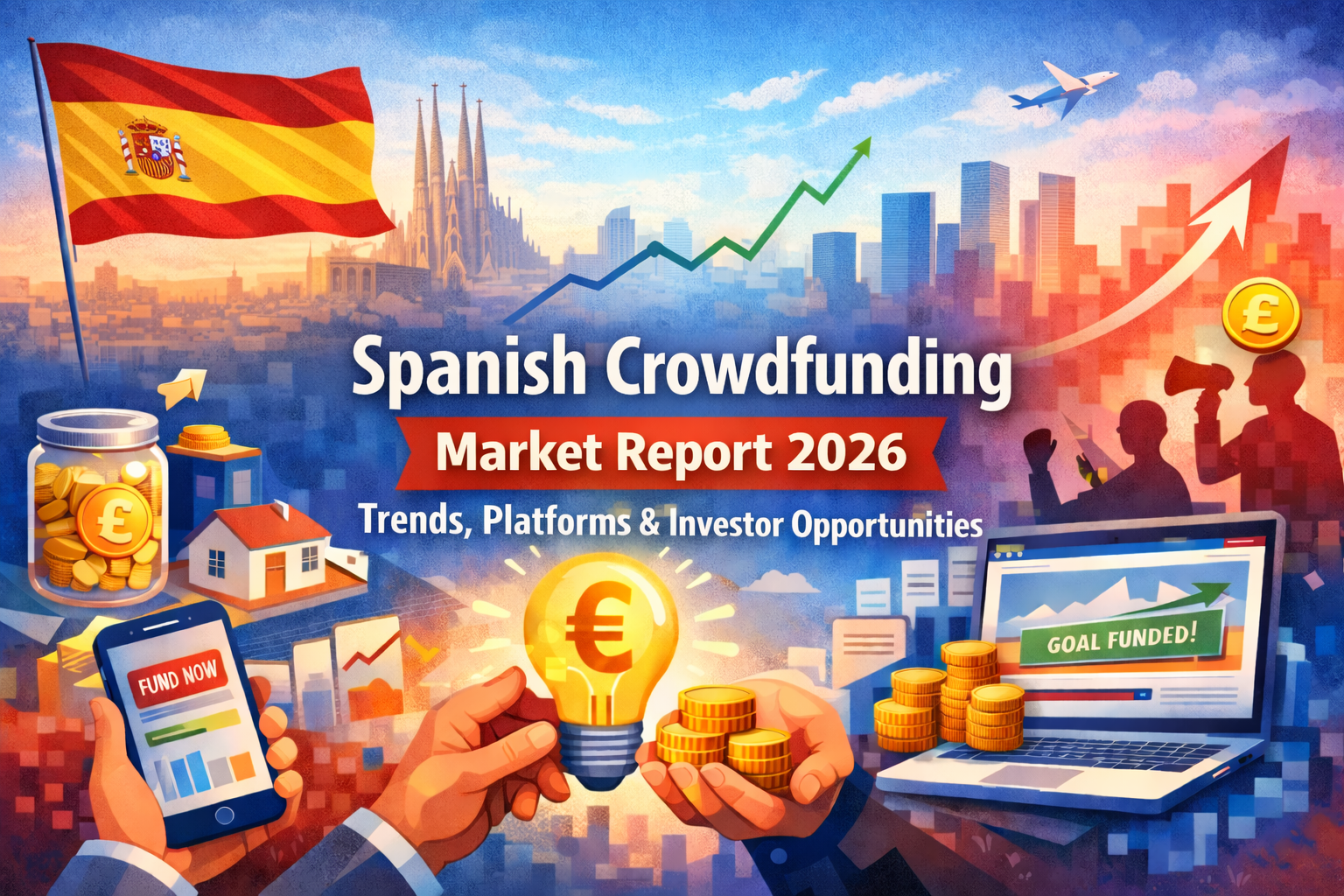
Spain’s crowdfunding sector is a rapidly growing part of the alternative finance landscape, connecting retail investors with startups, SMEs and real estate projects. 🇪🇸💡 In this report, readers will learn about the size and growth of the Spanish crowdfunding market, key trends and sectors, the regulatory framework, and the main crowdfunding platforms and models operating today. We highlight the rising importance of crowdfunding in Spain as banks tighten financing and investors seek higher returns.
We also show how Spanish crowdfunding platforms and crowdlending in Spain are evolving under EU and national rules. Keywords like “Spain crowdfunding,” “Spanish crowdfunding platforms,” “crowdlending Spain,” and “Spain equity crowdfunding” are used throughout to guide investors and boost SEO. By the end of this report, beginners will understand the market’s potential, from fast-growing real estate campaigns to equity deals, and how regulation and investor protections shape this landscape.