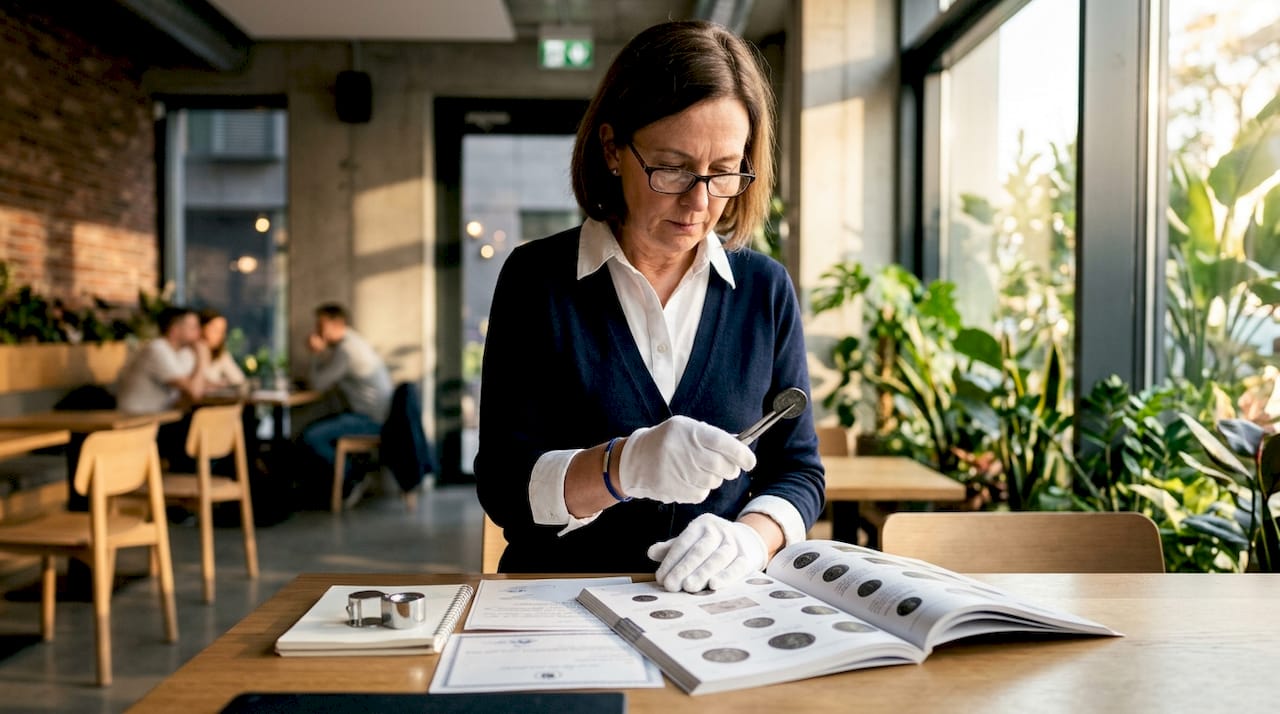
Step by step collectibles investing is the process of systematically acquiring, authenticating, managing, and eventually selling rare physical items to build a profitable alternative investment portfolio. The global collectibles market is estimated at $308–$321 billion in 2025, with projections reaching $535 billion by the early 2030s. That scale signals a maturing asset class, not a hobbyist sideshow. This guide walks you through every stage, from choosing your category and building research infrastructure to authenticating purchases and managing your portfolio for the long term. Grading bodies such as PCGS, NGC, and PSA, alongside major auction houses, form the institutional backbone of this market.
Which types of collectibles are best suited for investment portfolios?
The best collectibles for investment share three traits: verifiable scarcity, established grading standards, and an active secondary market. Without all three, you are holding a decorative object, not an investment.
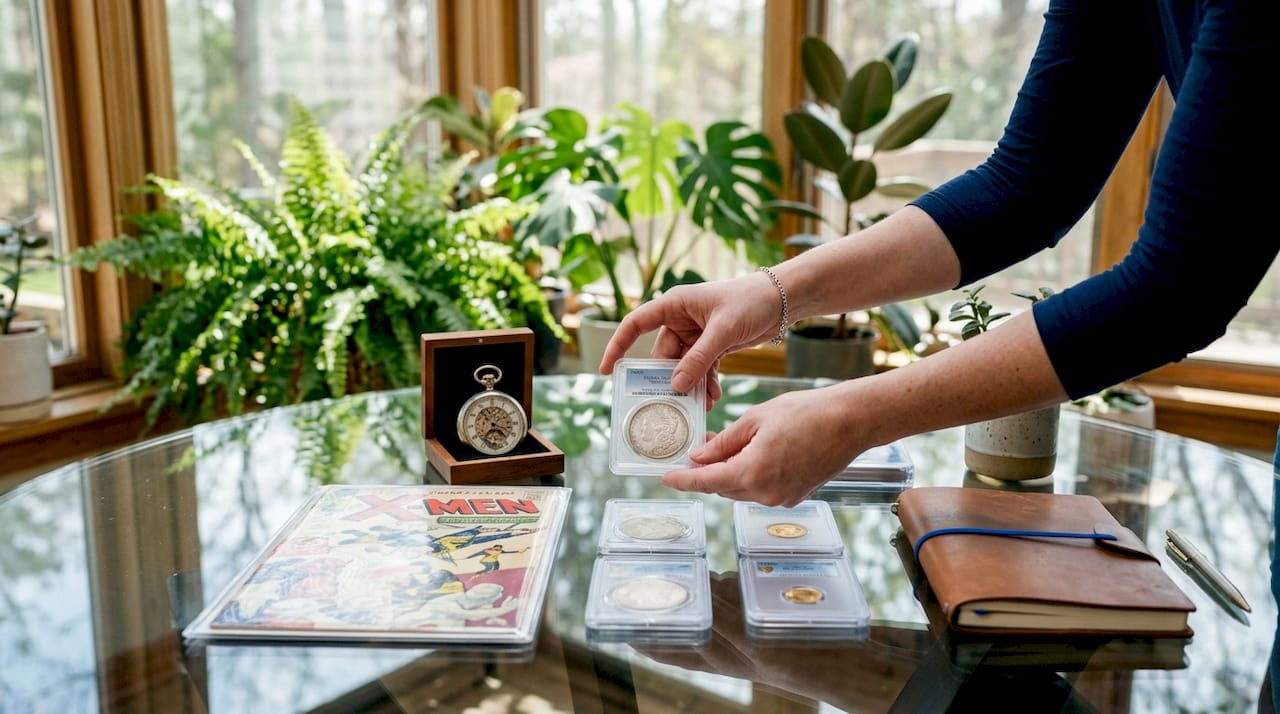
The main categories investors use are coins, fine art, and antiques. Coins offer the highest pricing transparency because PCGS and NGC publish population reports showing exactly how many examples exist at each grade. Fine art carries higher entry costs (top quality pieces start at £1,000 and rise steeply) but benefits from strong institutional demand. Antiques sit between the two: pricing is less standardised, but provenance and period authenticity drive significant premiums.
| Category | Liquidity | Pricing transparency | Typical entry cost | Grading standard |
|---|---|---|---|---|
| Coins | High | High (PCGS/NGC reports) | Low to mid | Sheldon scale 1–70 |
| Fine art | Low to medium | Medium (auction records) | High | No universal scale |
| Antiques | Low | Low to medium | Variable | Condition reports |
| Comics | Medium | Medium (CGC/CBCS data) | Low to mid | 0.5–10.0 scale |
| Vintage guitars | Medium | Medium | Mid to high | Dealer/specialist |
Niche categories such as vintage guitars reward deep specialist knowledge. Knowing how to negotiate collectible guitar deals can make the difference between overpaying and securing genuine value. The same principle applies across every category: invest in what you understand deeply.
Pro Tip: Start with one category and build genuine expertise before diversifying. The expertise advantage is the primary edge investors hold in this market. Spreading too broadly too early increases failure rates.
Collectibles should represent only 5–10% of a total portfolio due to illiquidity and the specialised knowledge required. That allocation discipline protects you from overexposure to an asset class with long exit timelines and high carry costs.
What research tools do you need before buying?
Preparation separates profitable collectors from expensive hobbyists. Before spending a pound, you need a research infrastructure covering price history, grading data, and expert networks.
The most reliable data sources are:
- Grading population reports from PCGS CoinFacts and NGC's online census. These show supply at each grade level, which directly determines scarcity and price.
- Auction archives from Heritage Auctions, which handles over $1.4 billion in annual sales. These archives give you real transaction prices, not asking prices.
- Artprice for fine art market data, including price indices and artist auction histories.
- AI valuation tools such as WorthLens.ai, which support rapid condition assessment and market comparisons.
- Specialist dealers and collector communities. Relationships with established dealers give you access to off-market deals and early warnings about category shifts.
Market data transparency varies widely across categories. Using multiple sources, including auction archives, grading population reports, and AI valuations, is the only reliable way to avoid overpaying.
Set a firm budget before you begin searching. Include not just the purchase price but also grading fees, shipping, insurance, and storage. Investors who skip this step routinely underestimate total cost of ownership by a significant margin.
How to buy and authenticate investment-grade collectibles
Condition is the single most powerful value driver in collectibles. The principle is simple: buy condition first, price second. A lower-grade example of a common item is rarely a bargain. A top-grade example of a moderately scarce item is almost always worth the premium.
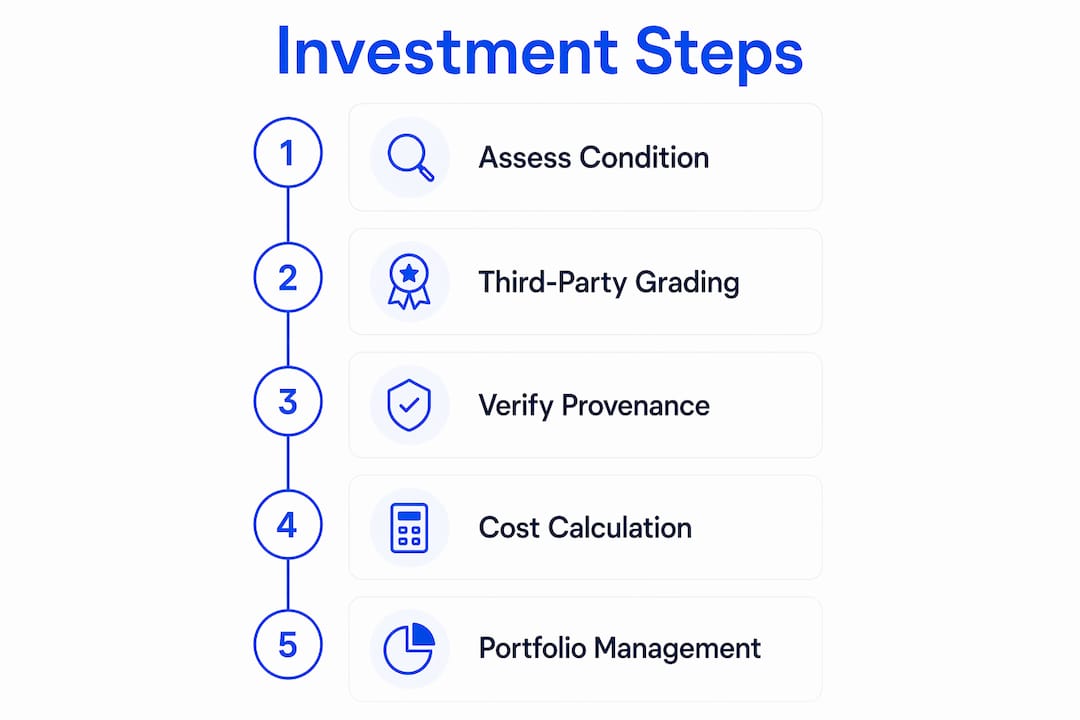
Step 1: Assess condition before everything else
Learn the grading scale for your chosen category. For coins, the Sheldon scale runs from 1 to 70. For comics, grades run from 0.5 to 10.0. Top 10% condition pieces command disproportionate premiums and superior liquidity. Volume diversification is less effective for beginners than owning fewer, higher-grade items.
Step 2: Submit for third-party grading
Third-party grading by PCGS, NGC, or PSA is non-negotiable for investment-grade purchases. Graded items command 2–3x price premiums versus ungraded equivalents. That premium also reflects genuine liquidity: graded items sell faster and attract more buyers. For vintage instruments, authentication of vintage guitars follows a similar principle, where standardised verification directly supports resale value.
Step 3: Verify provenance and documentation
Professional appraisal and documentation are core assets, not optional extras. Provenance records, grading certificates, and original receipts add tangible value at resale. Missing documentation can reduce a buyer's confidence and suppress your final price.
Step 4: Calculate total cost of ownership
Storage and insurance costs typically run at 1–3% and 0.5–1% of item value annually. Over a ten-year holding period, these costs compound. Climate-controlled storage is not optional for coins, art, or vintage instruments. Specialist insurance policies are required for most high-value items, as standard home contents cover rarely applies.
Pro Tip: Request an independent appraisal from a specialist who has no financial interest in the sale. This single step catches misrepresented items and inflated asking prices before you commit.
| Purchase step | Key action | Common mistake |
|---|---|---|
| Condition assessment | Grade against published scale | Accepting seller's verbal description |
| Authentication | Submit to PCGS, NGC, or PSA | Buying raw (ungraded) for investment |
| Provenance check | Verify certificates and receipts | Skipping documentation review |
| Cost calculation | Include storage, insurance, fees | Counting only the purchase price |
| Final decision | Compare to auction archive prices | Using retail price guides as benchmarks |
How to manage your collectibles portfolio over time
Buying well is only half the process. Long-term portfolio management determines whether your investment actually generates returns.
The recommended minimum holding period is 7–10 years. Short-term trading in collectibles often produces negative returns once you account for transaction costs, grading fees, and the slow pace of appreciation. Patience is not a soft virtue here. It is a financial requirement.
Key management practices include:
- Annual appraisals. Reassess value each year for insurance purposes and to track whether your thesis on a category remains valid.
- Insurance reviews. Specialist policies must reflect current market values. An item that has appreciated significantly may be underinsured on an older policy.
- Secure, climate-controlled storage. Temperature and humidity fluctuations degrade physical condition, which directly reduces grade and value.
- Exit planning. Selling through auction typically takes 30–180 days from consignment to settlement. Transaction fees including buyer premiums and seller commissions can consume a large portion of potential profits. Factor this into your return calculations from day one.
Pro Tip: Watch for generational nostalgia cycles, which drive peak demand roughly 30–40 years after a cultural moment. Buying ahead of a nostalgia wave and selling into it is one of the most reliable timing strategies in this market.
Passion investments offer a partial inflation hedge but carry high costs and illiquidity. Treat your collectibles portfolio as a long-term, knowledge-intensive allocation, not a liquid store of value.
Key takeaways
Successful collectibles investing requires deep category knowledge, professional authentication, and a minimum 7–10 year holding period to overcome illiquidity and carry costs.
| Point | Details |
|---|---|
| Limit portfolio allocation | Keep collectibles at 5–10% of total portfolio to manage illiquidity risk. |
| Prioritise condition over price | Top-grade items command 2–3x premiums and sell faster than lower-grade equivalents. |
| Authenticate every purchase | PCGS, NGC, and PSA grading is non-negotiable for investment-grade acquisitions. |
| Account for carry costs | Storage and insurance run 1–3% and 0.5–1% annually; factor these into return projections. |
| Plan for long exit timelines | Selling through auction takes 30–180 days; short-term trading typically destroys returns. |
Why most collectibles investors get it wrong
I have watched a lot of investors enter this market with genuine enthusiasm and exit with expensive lessons. The pattern is almost always the same: they buy broadly, they buy quickly, and they trust the wrong signals.
The "YouTube Effect" is real. When a category gets heavy social media coverage, prices spike on sentiment rather than fundamentals. Market corrections follow demand surges driven by social media hype, and the investors who bought at peak enthusiasm are left holding items they cannot sell at a profit. I have seen this play out in trading cards, sneakers, and certain coin series. The underlying items were not bad. The timing and the price paid were catastrophic.
The investors who consistently do well share one characteristic: they know their category better than most dealers do. That depth of knowledge lets them spot undervalued pieces, identify misrepresented grades, and recognise when a market is overheating. It takes years to build, and there is no shortcut.
Documentation is the other area where beginners consistently underinvest. A grading certificate is not just a piece of paper. It is a liquidity tool. Buyers at auction pay more for items with complete provenance records because the risk of misrepresentation is lower. Skipping documentation to save time or money at acquisition is a false economy.
My honest advice: pick one category, spend twelve months learning it before you buy anything significant, and treat every purchase as a long-term commitment. Blend your passion for the subject with the discipline of a financial analyst. That combination is what actually generates returns.
— Jevgenijs
How Crowdinform supports your collectibles investment research
Building a collectibles portfolio is exciting, but it sits within a broader alternative asset strategy that rewards careful research and diversification.

Crowdinform aggregates data from over 500 European crowdfunding and investment platforms, giving you a clear view of where collectibles and luxury assets fit within a diversified portfolio. The platform's AI copilot reviews individual projects and helps you assess opportunities across asset classes, from physical collectibles to fractional luxury asset investing. If full ownership of a high-value item is beyond your current budget, fractional investing offers a structured entry point. Crowdinform also publishes guides on alternative assets investment workflows and monitoring investment trends to help you stay ahead of market cycles. Explore the full platform at Crowdinform.
FAQ
What percentage of my portfolio should be in collectibles?
Collectibles should represent only 5–10% of a total portfolio. Their illiquidity and specialist knowledge requirements make higher allocations risky for most investors.
How important is grading for collectibles investing?
Third-party grading by PCGS, NGC, or PSA is essential. Graded items command 2–3x price premiums over ungraded equivalents and sell significantly faster on the secondary market.
How long should I hold collectibles before selling?
A minimum holding period of 7–10 years is recommended. Short-term trading typically produces negative returns once transaction costs, grading fees, and slow appreciation are accounted for.
What are the ongoing costs of owning collectibles?
Storage costs run at 1–3% of item value annually, and specialist insurance adds a further 0.5–1%. These carry costs compound over time and must be factored into any return projection.
How do I avoid overpaying for a collectible?
Use multiple data sources including auction archives, grading population reports, and AI valuation tools. Cross-referencing these sources is the most reliable way to establish fair market value before committing.
Recommended
- Step by step startup investing: your 2026 guide - Article | Crowdinform Investment Guides Startups
- What is smart investing? A practical 2026 guide - Article | Crowdinform Investment Guides Alternative investments
- Sustainable investing benefits: your 2026 investor guide - Article | Crowdinform Investment Guides
- What is microinvesting? A beginner's guide for 2026 - Article | Crowdinform Investment Guides alternative investments