Crowdfunding-Plattform

Crowdfunding Platform - Solarify review

No rating yet No rating yet No rating yet No rating yet No rating yet
0
Bewertung hinterlassen
Solarify.ch is the leading crowdinvestment platform for renewable energy projects in Switzerland.
Thumbnail
Thumbnail
Thumbnail
Thumbnail

Solarify - Risiko- und Ertragsüberprüfung

Risk Level i
Mittel
Defoult rate is 0, and only 6 of 165 projects have not yet generated a positive return.
Return Level i
Mittel
Expected IRR range typically between 2% and 5%
Risk Return Level i
Mittel
The offered return level is medium-low, yet given that the risk level is also medium-low, we consider risk return ratio as medium.

Solarify - Rückgaben und Verlustquoten

Rückgaben
capital_gains: 5,00% Expected IRR range typically between 2% and 5%. Top expected returns reaching ~7%.
Verlustraten
Default rate: 0,00% Over the past 10 years, platfrom have not experienced a single complete payment default at any of our plants. However, six out of 165 plants have not yet generated a positive return. But Platfrom is working on

Anlagefrist

Plattform, die Investitionen von 240 Monaten bis 360 Monaten anbietet.

Solarify – Plattformstatistiken 2026

Informationen aktualisiert am: 27 Apr 2026
Anzahl der Investoren 2200 Investoren
165 finanzierte Projekte
28,4M EUR funded amount

Solarify – Vor- und Nachteile

PROS
Platfrom is offering a secondary market.
Platfrom ensures that 95% of investment projects are profitable.
Rigorous multi-stage selection and all assets protected with insurance during live time.
Solarify offers a Digital Energy Hub where investors can monitor their solar investment portfolio in real time. The dashboard shows electricity production from their specific modules, tracks personal environmental impact such as CO₂ savings, and provides automated quarterly yield reports covering revenue, costs, and financial performance.
CONS
Relatively low returns compared to the lending model.

Über Solarify

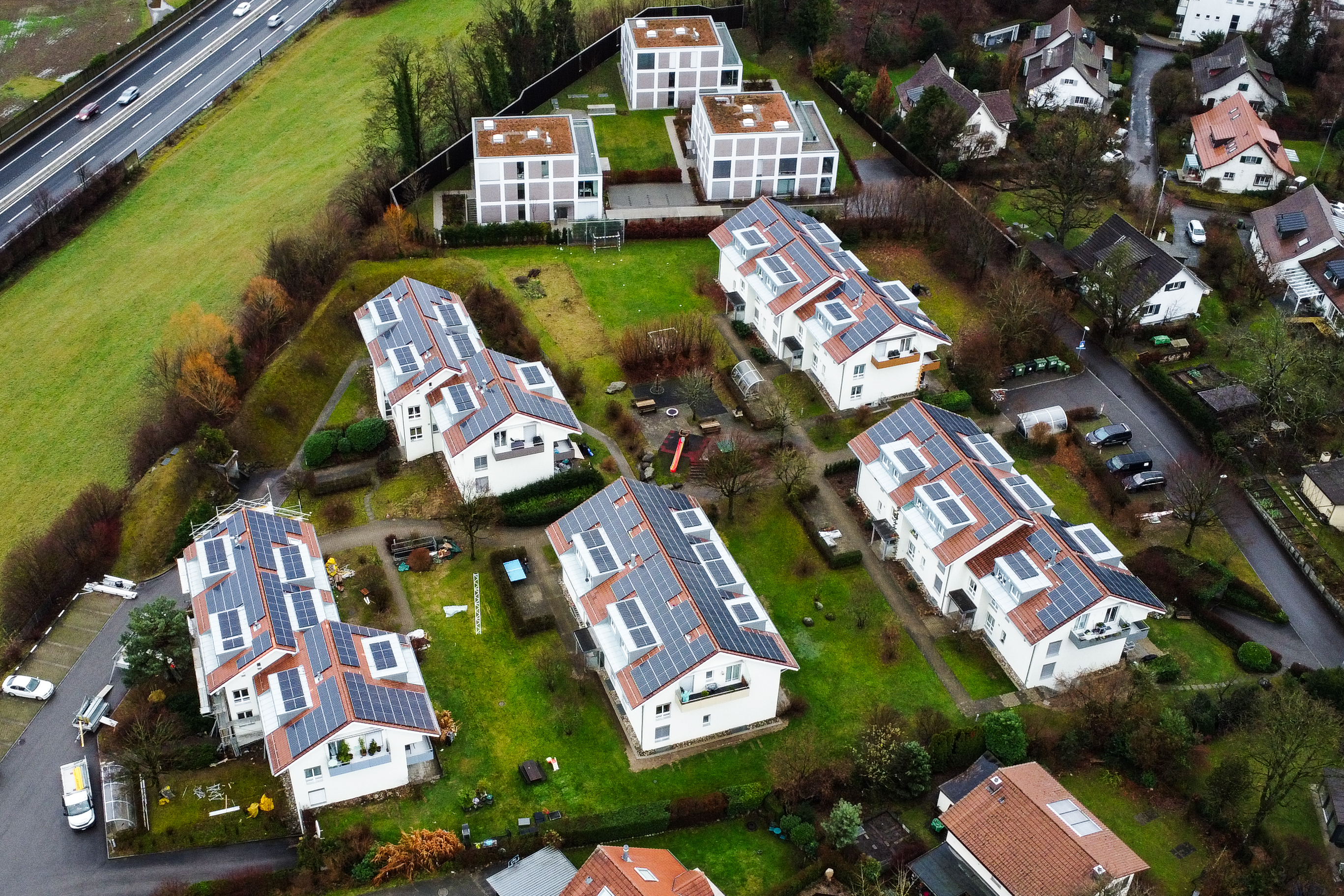
Solarify.ch is a Swiss-based crowdinvesting platform that allows private and institutional investors to participate directly in the energy transition by purchasing physical solar and battery modules. Celebrating its 10th anniversary in 2026, the platform has matured into the Swiss market leader for participatory renewable energy infrastructure.

Funktionalität

Auto-Invest: Nein
Angebotsbewertung: Nein
Zweitmarkt: Ja

Für Investoren

Einschränkungen: Platfrom available to: Private individuals and companies Residency: The offer is primarily directed at natural and juristic persons with residence or registered in Switzerland. Proof of Identity: For larger investments (over 50’000 CHF), Solarify requires a copy of a valid ID or passport to comply with Swiss anti-money laundering regulations.
Minimum investment: 700 CHF

Für Kapitalsuchende

Einschränkungen: Platfrom available to: Private individuals and companies Residency: The offer is primarily directed at natural and juristic persons with residence or registered in Switzerland. Proof of Identity: For larger investments (over 50’000 CHF), Solarify requires a copy of a valid ID or passport to comply with Swiss anti-money laundering regulations.

Nützliche Informationen

What is Solarify project selection process?

Solarify employs a rigorous, multi-stage selection process to ensure that every renewable energy project listed on the platform is technically sound and financially viable for at least 30 years. Solarify uses high-quality modules and materials. Because the investors hold direct ownership of the hardware the "due diligence" is focused on both the physical infrastructure as well as the long-term energy consumption of the building and electricity sales and trading possibilities under Swiss law.

Team behind the Solarify

The team behind Solarify is a blend of energy and finance experts, project professionals, and engineers. Today, Solarify employs 25 staff members. The company was founded in 2016 by Aurel Schmid, who currently acts as Chairman of the Board. Since 2025, the executive management has been led by CEO Roger Langenegger.

How does the Solarify help manage and minimize risk after a funding round?

Solarify uses a multi-layered risk management strategy that leverages the physical nature of the investment. Because investors own hardware (solar and battery modules), the risk mitigation is focused on asset protection, insurance for the infrastructure during the whole project lifetime and operational continuity.

What are the costs for investors when using Solarify?

Investing in Solarify.ch is a net-yield experience, meaning the costs of running the solar plant are deducted before you receive your payout from the electricity sales revenue. Solarify typically takes a management share of 20% (which can vary slightly depending on the specific project) on the net revenue from electricity sales.

Are the energy infrastructure assets insured?

Yes, all energy infrastructure assets managed by Solarify are fully insured during the whole project lifetime. The scope of insurance coverage include:

  • Natural hazards: Protection against damage from hail, storms and fire.
  • Operational failures: Protection against short circuits, material defects, and construction errors.

Yield protection (business interruption): The loss of earnings is also insured through the leading Swiss insurance company Die Mobiliar. If a solar plant stops producing power due to a covered damage event, the insurance compensates for the lost revenue from electricity sales, ensuring your quarterly payouts remain stable.

What analytics and reports does Solarify offering?

Solarify offers the Digital Energy Hub, an investor dashboard & analytics portal where investors can monitor their portfolio in real-time.

Production Monitoring: Investors can track how much electricity his or her specific modules are generating.

Impact Reporting: The dashboard displays the personal contribution to carbon reduction, visualised in metrics like "CO2 saved" or "kilometers driven by an electric car."

Yield Statements: Automated quarterly reports that break down the financial performance, revenue from energy sales, and operating costs of the solar and battery plants.

How is customer money stored?

Because Solarify utilises a direct ownership model, the way customer money is handled is divided into two distinct phases: the purchase phase and the operational (payout) phase.

1. The Purchase Phase: When you pay for solar panels, your money is stored on a dedicated project account and used specifically for the purchase and installation of physical infrastructure.

2. Operational Phase: Once the panels are producing electricity, the revenue from the electricity sales is collected by Solarify in a dedicated operational account and pay out on a quarterly basis to the investors' linked bank accounts via Swiss interbank transfers (SIC/SEPA).

Bankruptcy Protection: Under Swiss law, the modules are your personal property, not Solarify’s. If the platform were to go into liquidation, the modules are separated from the bankruptcy estate by default because they belong to you as investor. They are not part of Solarify's balance sheet.

How does Solarify marketplace working?

Solarify offers a marketplace:

  • The platform hosts an internal marketplace where existing owners can list their panels for sale.
  • Pricing Rule: On the Solarify marketplace, panels are typically offered at their current book value (the residual value). This is calculated via a linear quarterly depreciation over the project's lifetime
  • Open Market Freedom: While the marketplace sets the residual value, you are legally the owner. You are free to find a private buyer independently and sell the panels at a higher (or lower) price.

Bewertung

Gesamtwertung 0
No rating yet No rating yet No rating yet No rating yet No rating yet
Angebotsqualität 0
Dienstleistungen und Support 0
Funktionalität 0
Transparenz 0

Bewertungen

Sortieren nach:
Neueste Älteste zuerst Mehr Likes Mehr Abneigungen
Sortieren nach Bewertung:
höchster bis niedrigster Auto-Invest

Alternative zu Solarify

200Menschen IT

Neugründungen
Mindestinvestition €500
Finanziert €20,0M

Anaxagoras FR

Liegenschaften Neugründungen KMU-Darlehen
Reguliert
Risk Level Mittel
Return Level Hoch
Risk Return Level
Mindestinvestition €1000
Finanziert €922,1M

BacktoWork IT

Neugründungen
Mindestinvestition €500

Hauptzelle ES

Neugründungen
Reguliert
Risk Level Hoch
Return Level Sehr hoch
Risk Return Level
Mindestinvestition €100
Finanziert €144,0M

Companisto DE

Neugründungen
Reguliert
Risk Level Hoch
Risk Return Level
Return Level Hoch
Mindestinvestition €250
Finanziert €228,78M

Seedrs GB

Neugründungen
Reguliert
Risk Level Hoch
Return Level Sehr hoch
Risk Return Level
Mindestinvestition €10
Finanziert €3392,59M